

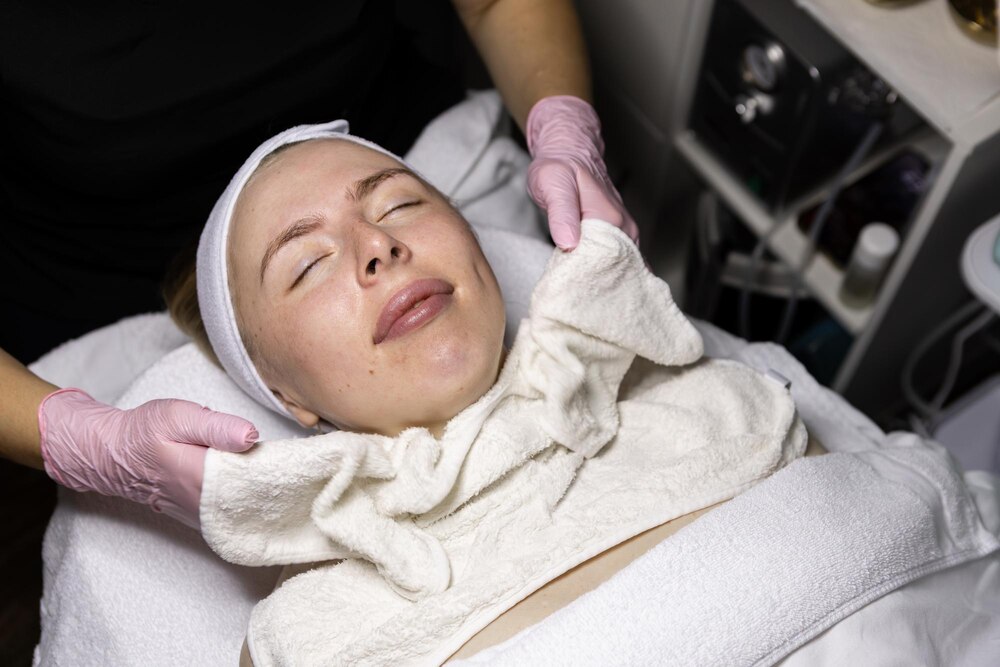
The landscape of facial rejuvenation has transformed dramatically as we enter 2025, with medical aesthetic practices now offering an unprecedented array of science-backed treatments that deliver results once only achievable through surgery. At NW Laser, we’ve witnessed firsthand how advances in regenerative medicine, laser technology, and personalized treatment planning have revolutionized the way we approach facial skin concerns. Whether you’re exploring cutting-edge exosome therapy, considering laser resurfacing for acne scars, or weighing the benefits of regular HydraFacial treatments, understanding your options is essential for making informed decisions about your skin health.
Today’s patients seek more than surface-level improvements – they want treatments backed by clinical evidence that address the underlying causes of aging, scarring, and skin irregularities. The integration of AI-driven skin analysis with proven modalities like fractional lasers and radiofrequency devices has created new possibilities for customized treatment plans that deliver natural-looking, long-lasting results. As we explore these advanced facial skin treatments, we’ll examine the science, compare outcomes, and provide practical guidance for selecting the right approach for your unique concerns and goals.
Understanding Exosome Facial Therapy: The Science Behind Regenerative Skin Treatment
Exosome therapy represents one of the most significant advances in regenerative aesthetics, though it’s often met with healthy skepticism from those familiar only with traditional treatments. These microscopic vesicles, derived from stem cells, contain concentrated growth factors, proteins, and genetic material that communicate with skin cells to promote healing and regeneration. Unlike synthetic products or simple moisturizers, exosomes work at the cellular level to stimulate collagen production, reduce inflammation, and accelerate tissue repair.
The mechanism behind exosome therapy involves direct cellular communication that triggers your skin’s natural regenerative processes. When applied topically or delivered through microneedling, these bioactive particles penetrate the skin barrier and interact with fibroblasts, keratinocytes, and other skin cells. This interaction initiates a cascade of regenerative responses, including enhanced collagen synthesis, improved cellular turnover, and reduction in oxidative stress markers that contribute to visible aging.
What sets exosomes apart from other regenerative treatments is their stability and concentrated potency. While platelet-rich plasma (PRP) requires blood draws and processing, exosomes come ready to use with standardized concentrations of growth factors. This consistency allows practitioners to predict outcomes more reliably and reduces variability between treatments.
How Exosomes Compare to PRP for Facial Rejuvenation
Recent clinical trials have shown that exosomes and PRP produce comparable improvements in facial wrinkling, dyschromia, erythema, and skin texture when used in similar protocols. A split-face study comparing the two treatments found no statistically significant difference in outcomes, suggesting both modalities effectively stimulate skin rejuvenation through similar biological pathways.
The primary advantage of exosomes lies in their concentrated delivery system. While PRP contains variable amounts of growth factors depending on individual platelet counts and processing methods, exosome preparations offer consistent concentrations of regenerative molecules. This standardization eliminates the variability inherent in autologous treatments and allows for more predictable treatment planning.
However, the higher concentration comes with increased cost. Exosome treatments typically range from $700 to $1,500 per session, representing a 30-100% premium over comparable PRP treatments. For patients seeking the most advanced regenerative option with minimal preparation time and consistent results, the investment may be justified.
Expected Results and Timeline for Exosome Treatments
Clinical studies have documented impressive outcomes from exosome therapy, with patients experiencing up to 41% reduction in pore size and 42% decrease in facial erythema at the 5.5-month mark. These improvements weren’t temporary – follow-up assessments at 21 months showed sustained benefits, indicating the treatment’s ability to create lasting changes in skin architecture.
The timeline for visible results typically follows a predictable pattern. Initial improvements in skin hydration and texture become apparent within two to three weeks as the exosomes begin stimulating cellular activity. More significant changes, including reduced fine lines and improved skin tone, develop over six to eight weeks as collagen remodeling progresses. Peak results generally manifest around three months post-treatment, with ongoing improvements possible for up to six months.
Maintenance protocols vary based on individual skin conditions and aging concerns. Most practitioners recommend an initial series of three treatments spaced four to six weeks apart, followed by maintenance sessions every three to six months. This schedule optimizes the cumulative benefits while maintaining cost-effectiveness for long-term skin health.
Cost Analysis: Exosome Facials vs Traditional Treatments
Understanding the value proposition of exosome treatments requires comparing both immediate costs and long-term investment. While a single exosome facial costs significantly more than traditional facials or even chemical peels, the duration and quality of results often justify the premium for appropriate candidates. The concentrated growth factors mean fewer treatments may be needed to achieve desired outcomes compared to less potent alternatives.
When evaluating cost-effectiveness, consider the reduced downtime associated with exosome treatments. Unlike aggressive laser resurfacing or deep chemical peels that require significant recovery periods, exosome therapy allows most patients to resume normal activities immediately. This minimal disruption to daily life adds value for professionals who cannot afford extended recovery times.
Laser Resurfacing vs Microneedling: Which Treatment Best Addresses Your Skin Concerns?
The debate between laser resurfacing and microneedling continues to generate significant discussion among both practitioners and patients seeking optimal solutions for texture concerns and scarring. Each modality offers distinct advantages, and understanding their mechanisms helps determine which approach best suits specific skin conditions. Modern fractional laser technology creates controlled micro-injuries that trigger collagen remodeling while preserving surrounding tissue, while microneedling mechanically stimulates similar regenerative processes through precise needle penetration.
The choice between these treatments often depends on the depth and type of skin concerns being addressed. Laser resurfacing excels at treating sun damage, age spots, and superficial to moderate acne scarring through its ability to precisely ablate damaged tissue layers. Microneedling, particularly when combined with radiofrequency energy or growth factor serums, proves especially effective for improving overall skin texture and treating rolling acne scars.
Fractional Laser Technology for Texture and Scarring
Fractional laser resurfacing has evolved significantly from earlier ablative technologies, offering improved safety profiles and reduced downtime. These devices create thousands of microscopic treatment zones while leaving surrounding tissue intact, accelerating healing and minimizing complications. The controlled thermal injury stimulates fibroblast activity and collagen production that continues for months after treatment.
Different wavelengths target specific skin concerns. CO2 fractional lasers penetrate deeper for dramatic resurfacing of severe scarring and wrinkles, while erbium lasers provide gentler treatment suitable for mild to moderate concerns. Non-ablative fractional lasers offer the gentlest option, heating tissue without removing the surface layer, making them ideal for patients seeking gradual improvement with minimal downtime.
Treatment protocols typically involve one to three sessions for non-ablative options or a single aggressive treatment with ablative lasers. Recovery varies accordingly, from minimal redness lasting hours with non-ablative treatments to five to seven days of significant peeling and sensitivity following aggressive CO2 resurfacing.
Microneedling Benefits and Limitations
Microneedling’s popularity stems from its versatility and relatively low risk profile. The treatment works by creating controlled micro-channels that trigger the skin’s wound healing response without causing thermal damage. This mechanical stimulation increases collagen and elastin production while improving product penetration when combined with topical treatments.
The addition of radiofrequency energy to microneedling devices has expanded treatment capabilities significantly. RF microneedling delivers thermal energy at precise depths, allowing practitioners to target specific tissue layers for concerns like skin laxity and deep acne scarring. This combination approach often yields results comparable to fractional lasers with less downtime and lower risk of post-inflammatory hyperpigmentation in darker skin types.
However, microneedling requires patience and multiple sessions. Most patients need four to six treatments spaced four weeks apart to achieve optimal results, compared to potentially fewer sessions with laser resurfacing. The gradual improvement suits those preferring subtle changes over time rather than dramatic transformation with extended recovery.
Recovery Time and Downtime Comparison
Recovery expectations vary dramatically between treatment types and intensities. Basic microneedling typically causes 24-48 hours of redness and mild swelling, with most patients comfortable returning to work the next day using mineral makeup if needed. RF microneedling extends this slightly to 2-3 days of visible redness and possible pinpoint bleeding immediately post-treatment.
Non-ablative fractional laser treatments produce similar downtime to RF microneedling, with added considerations for potential bronzing or darkening of pigmented lesions that resolve over several days. Ablative fractional resurfacing requires more significant recovery planning, with 5-7 days of active peeling, oozing, and crusting followed by several weeks of pink or red skin that gradually fades.
Post-treatment protocols significantly impact recovery quality and speed. Gentle cleansing, frequent moisturizer application, and strict sun protection accelerate healing while minimizing complications. Many practices now provide specialized post-procedure skincare kits optimized for specific treatments, streamlining recovery and improving outcomes.
HydraFacial and Professional Facials: Frequency, Benefits, and Value
Professional facials have evolved far beyond basic cleansing and extraction services, with HydraFacial leading the transformation through patented vortex-fusion technology. This treatment addresses common concerns about whether professional facials provide value beyond quality home skincare routines. The answer depends on individual skin conditions, goals, and commitment to maintenance protocols.
Regular professional treatments offer benefits difficult to replicate at home, including deeper exfoliation, professional-grade product penetration, and expert assessment of changing skin needs. The controlled environment and specialized equipment allow for more aggressive treatment of congestion, texture irregularities, and early signs of aging than safe home care permits.
HydraFacial 2.0 Technology Updates
The latest HydraFacial platform incorporates several technological advances that enhance treatment customization and results. LED light therapy integration allows simultaneous treatment of acne bacteria or stimulation of collagen production during the hydration phase. Enhanced suction control provides gentler options for sensitive skin while maintaining effective extraction capabilities.
The three-step process – cleanse and peel, extract and hydrate, fuse and protect – delivers immediate visible improvements in skin clarity and hydration. The proprietary spiral tip design creates a vortex effect that dislodges impurities while simultaneously delivering treatment serums. This dual action maximizes both cleansing and nourishment without the irritation associated with traditional extraction methods.
Customizable booster serums target specific concerns from hyperpigmentation to fine lines, allowing practitioners to tailor each treatment to current skin conditions. The ability to adjust treatment intensity and serum selection makes HydraFacial suitable for virtually all skin types, including those with rosacea or active acne.
Optimal Treatment Frequency for Different Skin Types
Acne-prone skin often benefits from monthly HydraFacial treatments to manage congestion and prevent breakout cycles. The gentle extraction combined with salicylic acid infusion helps maintain clear pores without the irritation that can trigger increased oil production. Many patients find this regular maintenance reduces their need for prescription acne medications.
Aging skin typically responds well to treatments every 6-8 weeks, allowing time for collagen stimulation between sessions while maintaining consistent exfoliation and hydration. The cumulative effects of regular treatments often surpass what aggressive occasional treatments achieve, supporting the skin’s natural regenerative processes without overwhelming its capacity to repair.
Sensitive or rosacea-prone skin requires careful protocol modification but can still benefit from professional treatments. Quarterly HydraFacials using gentle settings and anti-inflammatory boosters help strengthen the skin barrier while addressing visible concerns. The key lies in working with experienced practitioners who understand how to modify protocols for reactive skin types.
Non-Invasive Skin Tightening: Laser and Radiofrequency Options
The demand for non-surgical skin tightening continues growing as technology improves and results become more predictable. Modern devices use various energy sources – including radiofrequency, ultrasound, and specific laser wavelengths – to heat deeper tissue layers and stimulate collagen contraction and remodeling. These treatments bridge the gap between topical skincare and surgical lifting procedures.
Understanding realistic expectations remains crucial for treatment satisfaction. Non-invasive tightening cannot replicate surgical results but can provide meaningful improvement for mild to moderate laxity. The gradual nature of results, developing over three to six months as collagen remodels, suits patients seeking natural-looking enhancement without dramatic change.
How Long Do Skin Tightening Results Last?
Duration of skin tightening results varies based on treatment type, individual factors, and maintenance protocols. Most patients experience peak improvement 3-6 months post-treatment, with benefits lasting 12-24 months on average. The natural aging process continues, but treated areas often maintain better tone and firmness compared to untreated regions.
Factors influencing longevity include baseline skin quality, age, sun exposure habits, and overall health. Younger patients with good skin elasticity typically enjoy longer-lasting results than those with advanced photoaging or significant laxity. Combining tightening treatments with consistent skincare and sun protection extends benefits significantly.
Maintenance strategies often involve annual touch-up treatments or combining modalities for synergistic effects. Some practitioners recommend alternating between different energy-based devices to target various tissue depths and maintain comprehensive skin fitness over time.
Safety Considerations for Facial Tightening Procedures
While non-invasive tightening treatments have excellent safety profiles, proper patient selection and technique remain essential. Contraindications include active skin infections, open wounds, and certain medical conditions affecting healing. Patients with pacemakers or metal implants require careful evaluation for compatibility with specific devices.
Potential complications, though rare with experienced practitioners, include burns, temporary nerve effects, or paradoxical skin laxity from overtreating. Proper cooling systems, appropriate energy settings, and thorough pre-treatment assessment minimize these risks. Choosing board-certified providers with extensive experience in energy-based devices ensures optimal safety and results.
AI-Driven Personalization in Facial Treatment Planning
Artificial intelligence has begun transforming facial aesthetics through sophisticated skin analysis systems that provide objective assessment beyond visual examination. These platforms use machine learning algorithms trained on thousands of images to identify subtle patterns and predict treatment responses. The technology enables more precise treatment planning and better outcome tracking than traditional photography alone.
The integration of AI analysis into clinical workflows streamlines consultation processes while improving patient education. Visual representations of skin concerns and predicted improvements help patients understand treatment recommendations and set realistic expectations. This technology particularly benefits practices offering multiple treatment modalities by facilitating data-driven decisions about optimal treatment combinations.
How AI Analysis Improves Treatment Outcomes
Advanced imaging systems now assess multiple skin parameters simultaneously, including pore size, wrinkle depth, pigmentation patterns, and vascular irregularities. The quantitative data generated allows practitioners to track subtle improvements that might not be visually apparent, providing objective evidence of treatment efficacy. This measurement capability proves especially valuable for gradual treatments like exosome therapy or mild chemical peels.
AI algorithms can predict individual response patterns based on skin type, age, and condition similarities to previous patients. This predictive capability helps practitioners customize protocols proactively rather than reactively adjusting after suboptimal results. The technology continues learning from each treatment outcome, progressively improving prediction accuracy.
The objectivity of AI assessment also reduces variability between different practitioners’ evaluations, ensuring consistent treatment planning regardless of provider experience level. This standardization benefits both patients and practices by improving reproducibility and patient satisfaction.
Combining Multiple Modalities for Optimal Results
Evidence increasingly supports combination approaches that address multiple aspects of facial aging simultaneously. AI analysis facilitates these complex treatment plans by identifying which concerns require priority and suggesting optimal sequencing. For example, addressing pigmentation before skin tightening often yields superior overall results.
Prejuvenation strategies for younger patients focus on prevention rather than correction, using gentle treatments to maintain skin health before visible aging occurs. AI systems help identify early changes invisible to the naked eye, allowing intervention before concerns become established. This proactive approach often requires less aggressive treatments long-term.
The natural-looking enhancement achieved through thoughtful combination therapy satisfies modern aesthetic preferences. Rather than dramatic single-modality treatments, layering complementary procedures over time creates subtle, harmonious improvements that enhance rather than alter appearance.
Choosing the Right Facial Treatment: A Decision Framework
Selecting appropriate facial treatments requires balancing multiple factors including specific concerns, budget constraints, lifestyle considerations, and recovery tolerance. The abundance of options can feel overwhelming, but systematic evaluation helps identify optimal approaches. Understanding your primary concerns and their underlying causes guides initial treatment selection.
Consider both immediate needs and long-term skin health goals when developing a treatment plan. While addressing current concerns provides satisfaction, incorporating preventive elements ensures sustained improvement. Many of our patients find that starting with less invasive options and progressively advancing to more intensive treatments as needed provides the best balance of results and value.
Treatment Selection by Primary Concern
Acne scarring responds differently to various treatments depending on scar type. Ice pick scars often require targeted treatments like TCA CROSS or precise laser work, while rolling scars respond well to RF microneedling or subcision. Combination approaches addressing multiple scar types simultaneously typically yield the most comprehensive improvement.
Age-related concerns benefit from layered approaches targeting different aspects of aging. Fine lines and crepey texture improve with exosome therapy or mild resurfacing, while deeper folds may require volumizing treatments. Pigmentation irregularities respond to specific laser wavelengths or intensive pulsed light, often combined with topical brightening protocols.
Preventive treatments for younger patients focus on maintaining skin quality through regular professional treatments, quality skincare, and early intervention for emerging concerns. HydraFacials, mild chemical peels, and preventive neurotoxin treatments help maintain youthful skin architecture before significant aging occurs.
Seasonal Timing for Facial Treatments
Strategic treatment scheduling optimizes results while minimizing lifestyle disruption. Late winter and early spring represent ideal timing for more aggressive treatments, allowing complete healing before summer sun exposure. This period also aligns with many patients’ desires to look refreshed for spring and summer events.
Fall treatments from September through November provide another optimal window, especially for addressing summer sun damage. The cooler weather and reduced outdoor activities facilitate comfortable recovery from intensive procedures. Planning treatment series during these periods maximizes compliance with post-treatment sun protection requirements.
Consider personal and professional commitments when scheduling treatments. Major events require planning treatments well in advance to ensure complete healing and optimal results. Most practitioners recommend completing intensive treatments at least two months before important occasions to allow for any necessary touch-ups.
Schedule Your Personalized Facial Treatment Consultation
The landscape of facial skin treatments continues evolving rapidly, with new technologies and techniques emerging regularly. At NW Laser, our commitment to staying current with evidence-based advances ensures our patients access the most effective treatments available. Our experienced team evaluates each patient’s unique concerns, goals, and skin characteristics to develop customized treatment plans that deliver natural-looking, lasting results.
Whether you’re interested in exploring cutting-edge exosome therapy, considering laser resurfacing for specific concerns, or seeking guidance on optimal treatment combinations, professional consultation provides the personalized insights needed for informed decisions. Contact our office to schedule your comprehensive skin assessment and discover which advanced facial treatments can help you achieve your aesthetic goals while maintaining the natural beauty that makes you unique.
